


Instability in the geopolitical situation represents a constant element of unpredictability in trade routes. This binds the development of strategies to optimize the global supply chain in international logistics—strategies that allow for risk anticipation, resource savings, process efficiency, and high-quality customer service. But the constant state of instability complicates planning processes considerably. Are there any viable solutions?
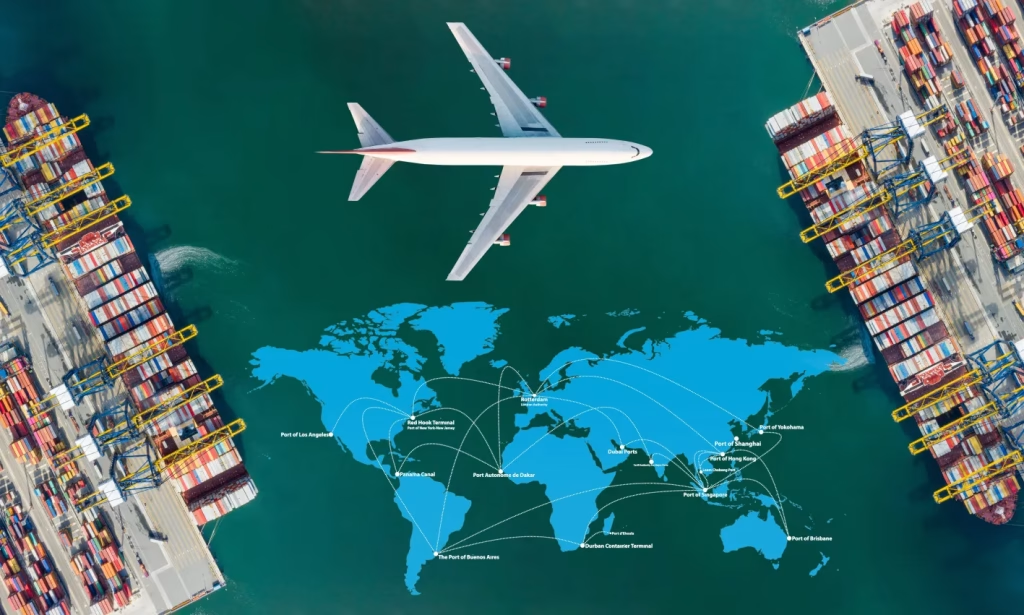
Solutions to Optimize the Global Supply Chain in International Logistics
International logistics encompasses a wide range of processes related to the movement of goods. These include optimizing logistics management in a multichannel transportation environment, handling all procedures related to import and export, customs management, storage and distribution of products, and, of course, shipment tracking.
The main step we can take to optimize the global supply chain in international logistics is to rely on an expert in international logistics services—someone with the knowledge and resources necessary to identify and assess risks and take appropriate measures at any given time. Constant monitoring of commercial routes and experience are fundamental to acting quickly when situations arise that could disrupt shipments.
An expert partner has access to a variety of reliable and efficient suppliers throughout the supply chain. So, if changes to the planned course of action are needed, they can respond optimally to ensure quality customer service.
Technology as a Key Ally in Optimizing the Global Supply Chain in International Logistics
The complexity of international logistics—compared to logistics confined to a single territory—lies in the multitude of customs management procedures required for international trade. These can include different requirements depending on the territory, trade barriers in the form of tariffs, and the obligation to comply with each country’s commercial regulations as well as community legislation, such as the Import Control System 2 (ICS2).
Therefore, in addition to an expert partner, technology is the best ally to optimize the global supply chain in international logistics. Real-time tracking of the global supply chain requires effective technologies that provide accurate information and can analyze data to make sound decisions in transport planning. It is essential to have tools that allow for immediate information sharing with partners throughout the supply chain. Naturally, traceability of goods is a mandatory requirement to ensure their quality and safety.
Digitization has marked a significant step forward in optimizing international logistics processes. Artificial intelligence reduces the impact of unpredictability, as it enables forecasting of potential disruptions in the supply chain and proposes alternatives. Meanwhile, blockchain technology provides transparency in the management of global trade operations.
If you need an expert partner in international logistics services to help you optimize your global supply chain, contact Startrans.