



The Electronic Administrative Control Document (DeCA) Is Now Mandatory for Road Transport
As of 5 October 2026, the Electronic Administrative Control Document (DeCA) is mandatory for public road freight transport and cabotage operations carried out within Spanish territory.
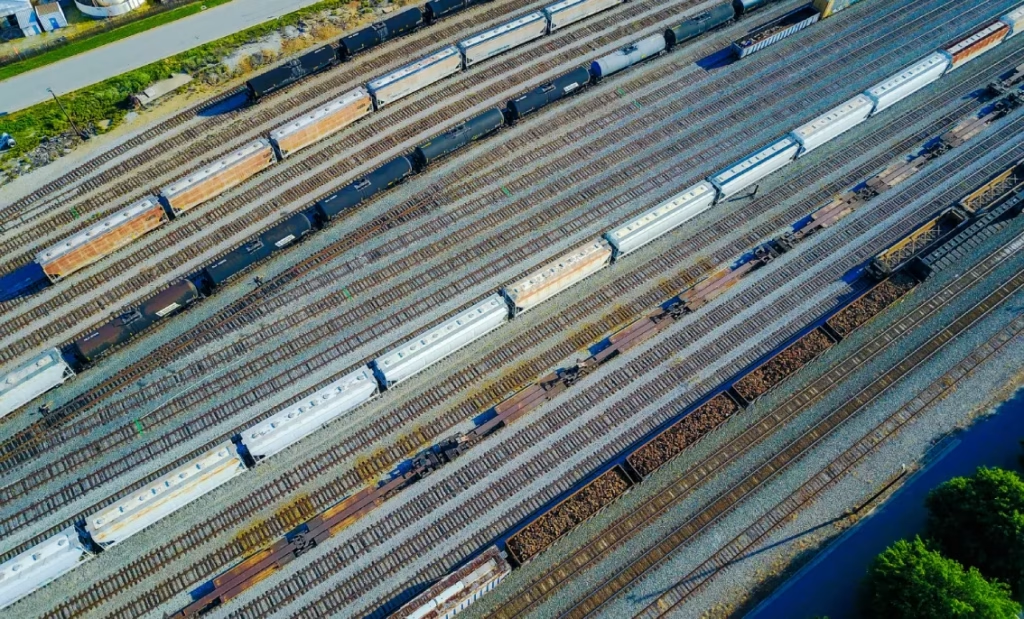
Railway Regulations Affecting International Freight Logistics
Rail freight transport is more cost-stable than air freight, faster than sea freight, and has a smaller carbon footprint. However, it involves crossing borders, changing track gauges, and complying with a European regulatory framework that is as demanding as it is necessary. Understanding the rail regulations that affect freight logistics is key to avoiding delays, penalties, and cost overruns.
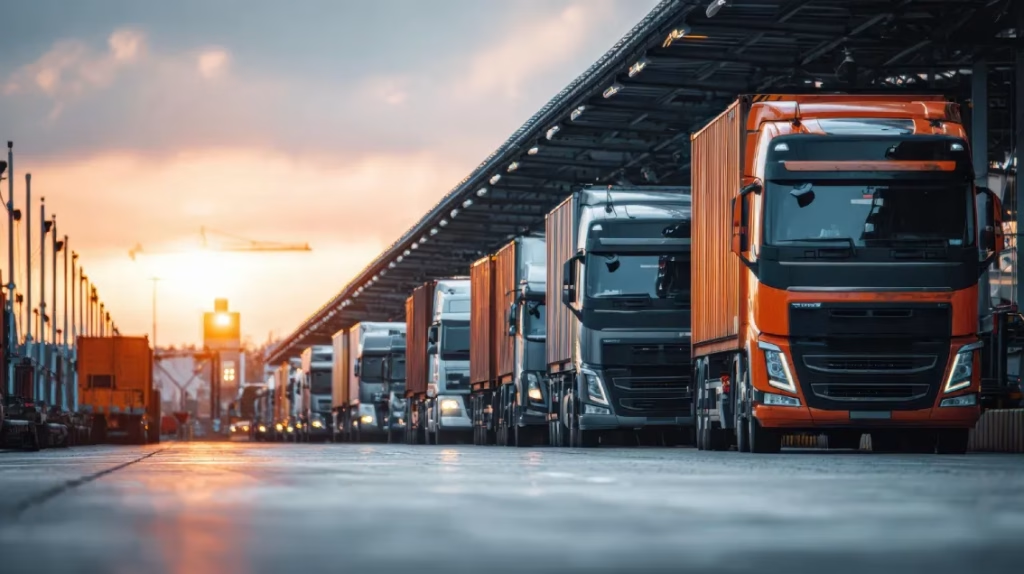
The Importance of Fleet Maintenance in Road Logistics
In road freight transport, every minute counts. Delays can affect the ability to meet delivery deadlines, increase operating costs, and even jeopardize customer satisfaction; that is why the importance of fleet maintenance in ground logistics goes far beyond simply ensuring that vehicles are in optimal condition to perform their service.
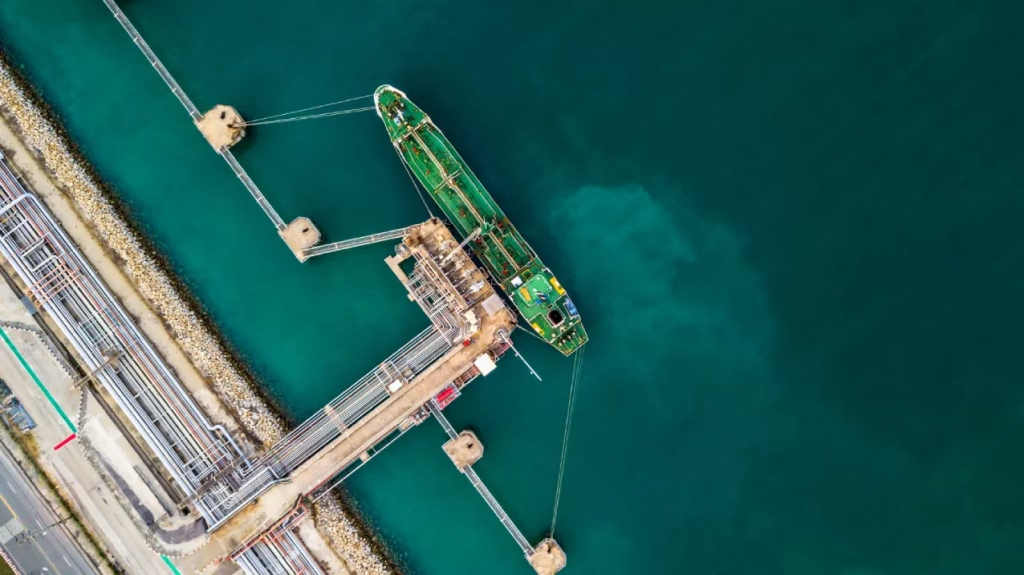
Strategies to Reduce the Environmental Impact of Freight Transport
Reducing the environmental impact of freight transport is no longer simply a corporate objective—it has become a regulatory requirement and a key competitive advantage. Sustainability in maritime freight transport is already a legal obligation within the European Union, and at Startrans we see it as an opportunity to create additional value for our customers by integrating sustainable practices into every logistics operation.

How Technology Improves Traceability in Logistics Management
Integrating technology into logistics management services to improve traceability—especially for freight forwarding companies—provides greater visibility into the supply chain and enables companies to offer a more efficient, secure, and transparent service.

Buti Buti Breaks Participation Record with 225 Logistics Companies, Including Startrans
Barcelona’s Logistics Festival, the popular Buti Buti event, once again brought together more than 6,000 people on 15 May at the Gran Via venue of Fira de Barcelona. In its 14th edition, the event organised by Diario del Puerto broke its record for participating companies, reaching a total of 225 businesses — including, of course, the enthusiastic and numerous representation from Startrans.
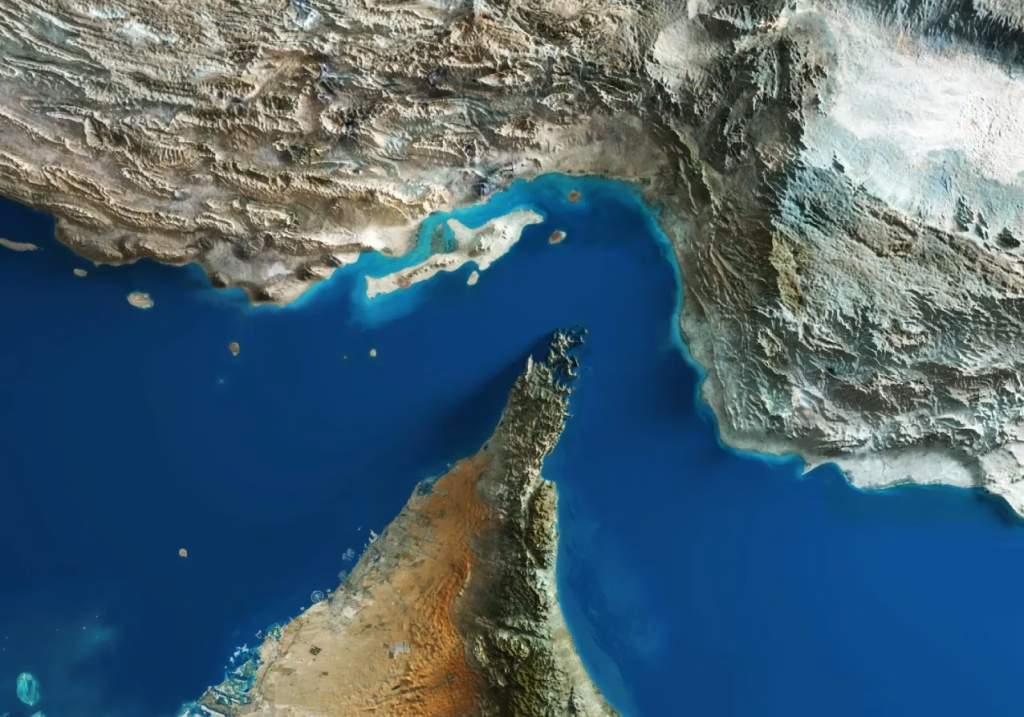
The Conflict in the Strait of Hormuz Continues to Disrupt Global Maritime Trade
The Strait of Hormuz continues to be the epicentre of the global maritime trade crisis. According to UNCTAD, as a consequence of the war in Iran, vessel traffic through the strait has fallen by 95%, while oil, gas, and marine fuel prices, as well as tanker freight rates and insurance premiums, have increased considerably.
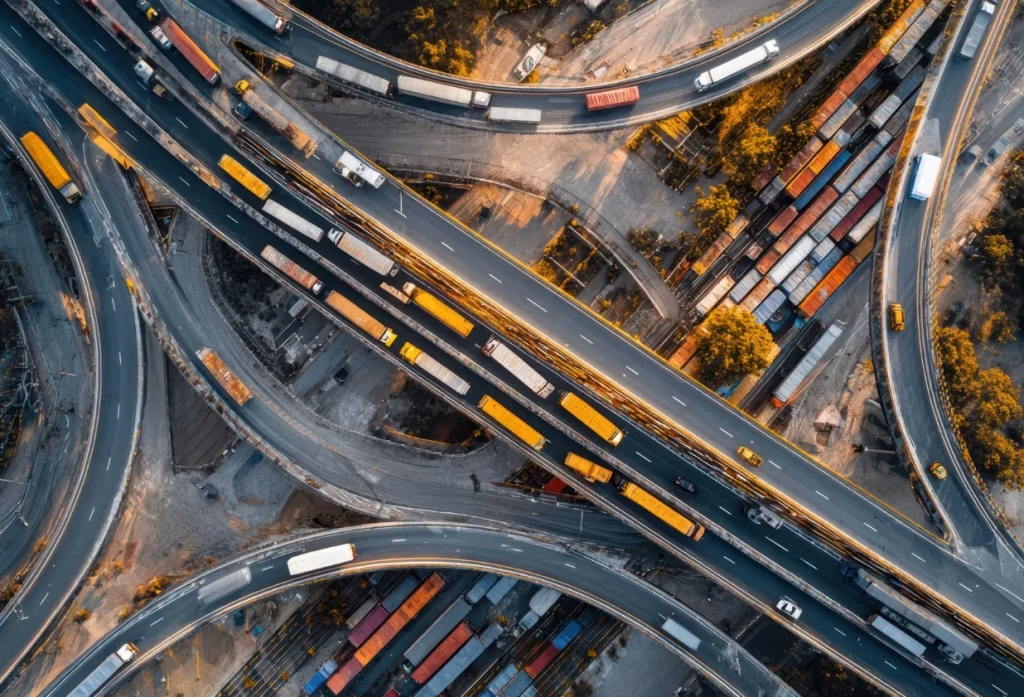
Strategies to Manage and Minimize Downtime in Road Transport
Developing strategies to manage and minimize downtime in road transport allows companies to face operational and economic challenges with greater efficiency and reliability.
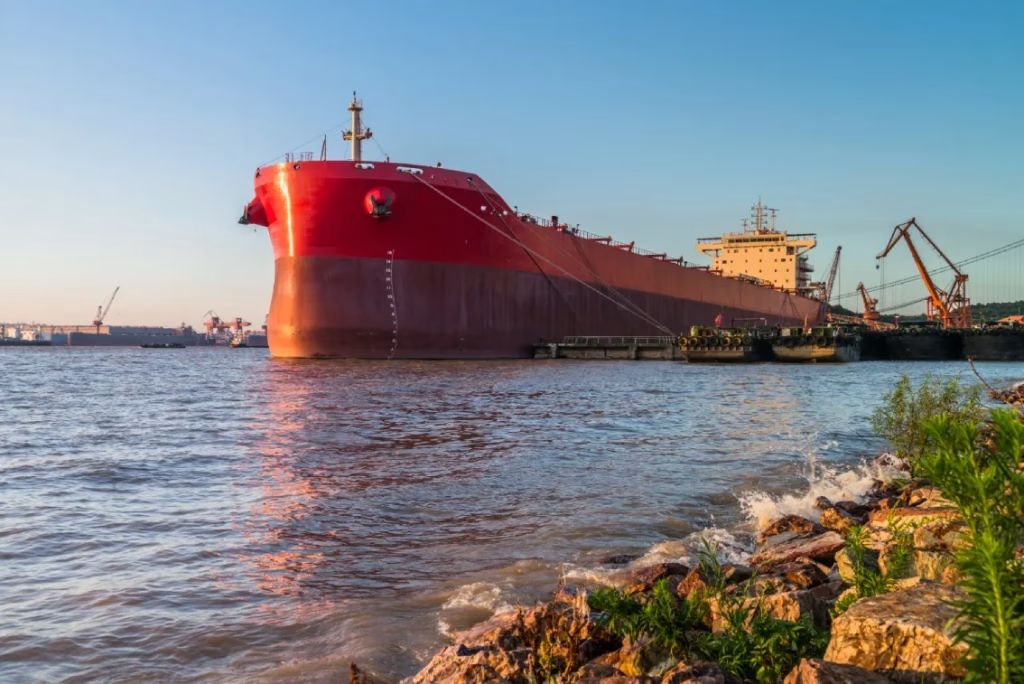
How does the conflict in the Persian Gulf impact international maritime transport?
Due to the conflict in the Persian Gulf, the prices of fuel and many other everyday consumer goods are rising. Why is this happening?

How customs management services can streamline the movement of goods across borders
When hiring an import or export company, there is one key question: How can customs clearance services streamline the movement of goods across the border?
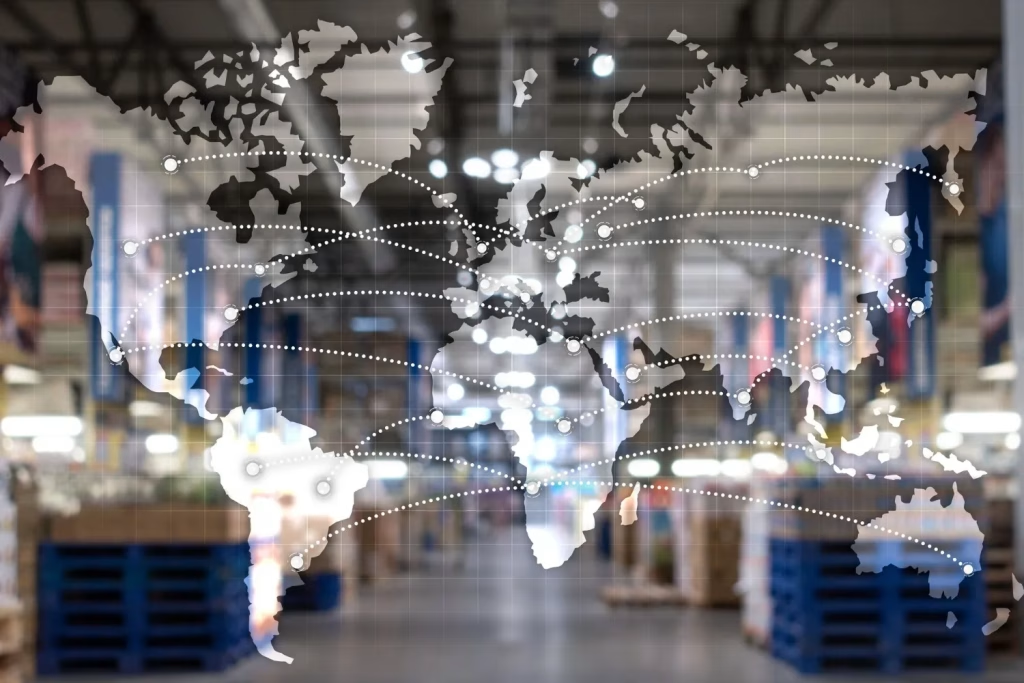
The Role of Intermediaries in Global Logistics
The role of intermediaries in global logistics is indispensable, given the complexity of today’s supply chains. The machinery behind international trade routes consists of countless moving parts that require coordination, technical expertise, and constant adaptability.
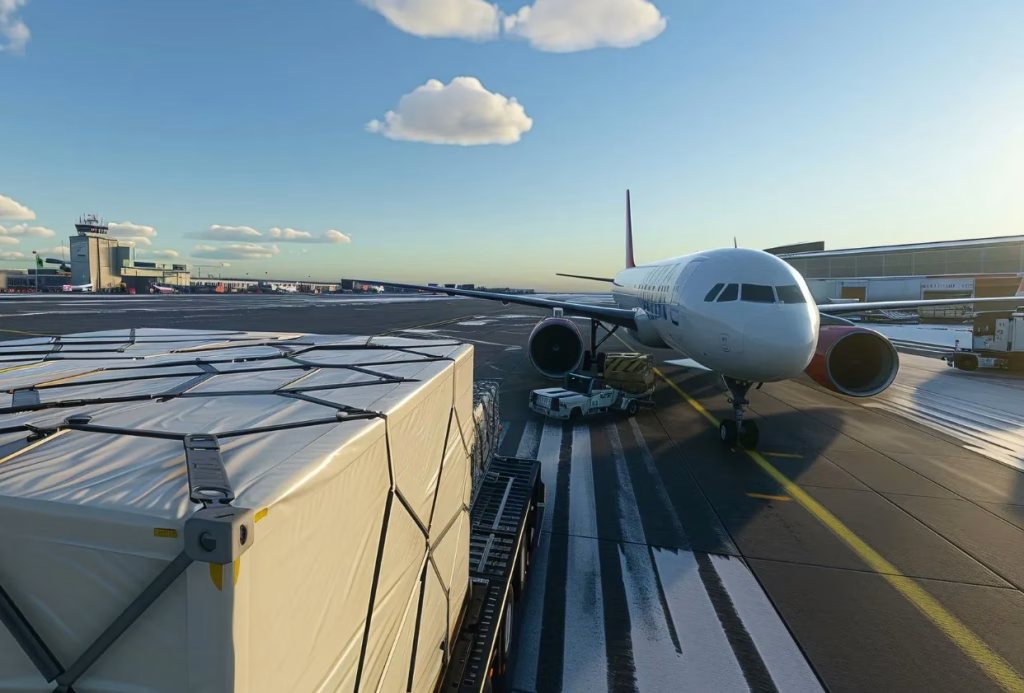
Strategies to Minimize Delays in Air Freight Transportation
Designing strategies to minimize delays in air freight transportation is essential if we want to fully leverage the advantages that air transport offers within the global logistics chain—especially for high-value, perishable, or time-sensitive goods.