


The airplane is the fastest and safest means of transport for urgent shipments of all kinds of products to anywhere in the world. But what should be considered in terms of security and protocols when handling sensitive air cargo? We explain it in this article.
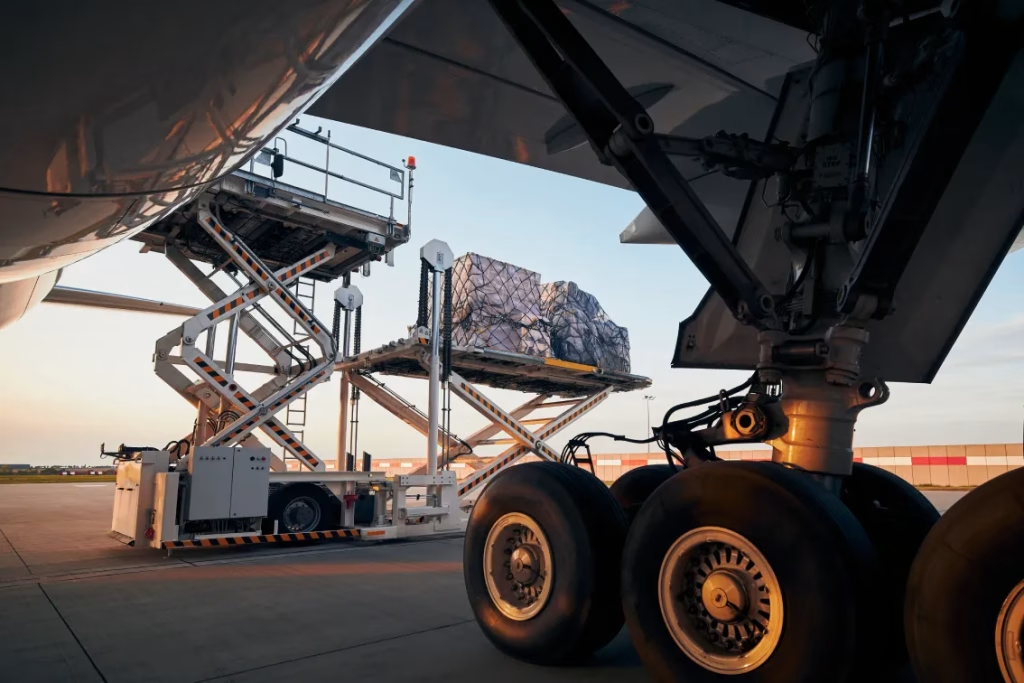
What are sensitive goods?
In general, sensitive goods include any product that requires special attention to ensure it reaches its destination with guaranteed quality. Among them, we find:
Perishable goods
Especially food, but also any other item that deteriorates over time or if not transported under the proper environmental conditions.
Temperature-controlled products
Includes any cargo that requires the integrity of the cold chain throughout the entire supply chain.
Medicines
The handling and transportation of pharmaceutical products are governed by strict regulations to ensure their integrity.
Live animals
Their transport is also subject to specific regulations to guarantee animal welfare.
Dangerous goods
Any product that involves a risk during handling must be transported following specific protocols.
How are security and protocols managed in the handling of sensitive air cargo?
Security and protocols in the handling of sensitive air cargo are regulated by the International Air Transport Association (IATA). Through regulations, manuals, and specific standards, the organization establishes all the procedures to be followed in air transport. This includes:
- Dangerous Goods Regulations updated annually.
- Cargo Supply Manual with information on rates, procedures, and territorial restrictions.
- Cargo Resolutions which define the processes for handling and tracking shipments.
- Cargo Quality Standards which establish guidelines for the handling of special cargo such as perishables and live animals.
In addition, IATA regulations establish restrictions to be considered for the safe handling of sensitive air cargo, such as:
- Dangerous goods: classified according to risk level, limited in permitted quantity and type of packaging, with specific labelling and documentation requirements.
- Prohibited items: there is a list of products that cannot be transported by air under any circumstances, such as explosives, flammable gases, or radioactive materials, among others.
- Aircraft type restrictions: regarding weight and size, depending on the aircraft’s capacity.
- Country restrictions: in addition to the regulations depending on the type of cargo, one must also consider the specific import and export regulations of each territory.
To make the most of the advantages offered by air freight and ensure safety and compliance in handling sensitive air cargo, the best option is to partner with a trusted company such as Startrans.