


Designing strategies to minimize delays in air freight transportation is essential if we want to fully leverage the advantages that air transport offers within the global logistics chain—especially for high-value, perishable, or time-sensitive goods. While we are well aware of the safety requirements and protocols involved in handling sensitive air cargo, the question remains: how can we prevent delays, which continue to be one of the sector’s biggest challenges?
International air cargo recorded growth of around 4% in 2025 (data through October). Although this figure is lower than the 11% growth seen in 2024, it remains very positive given the numerous obstacles the sector has had to overcome. This performance demonstrates the industry’s resilience and lays moderately optimistic foundations for 2026, with IATA forecasting global air cargo volume growth of 2.6%.
The year has been even stronger at Spanish airports. Cargo volumes across the Aena network reached 1.37 million tons in 2025, representing a 7.2% increase compared to the previous year, when air freight had already achieved a historic high of 1.2 million tons.
However, in air freight transportation, late deliveries can result in additional costs, contractual breaches, and—most critically—a loss of customer trust. To reduce these risks and support continued growth, airlines, logistics operators, and shippers must implement comprehensive strategies that address both planning and execution.
How to Minimize Delays in Air Freight Transportation
Advanced Planning and Efficient Capacity Management
One of the most important strategies to minimize delays in air freight transportation is advanced planning combined with efficient capacity management. Booking space well in advance helps prevent issues such as overbooking or lack of available cargo hold space—situations that become critical during peak demand seasons. In addition, technology tools that forecast demand and analyze historical data allow companies to anticipate volume spikes and proactively adjust flight supply or alternative routes.
Optimizing Ground Operations
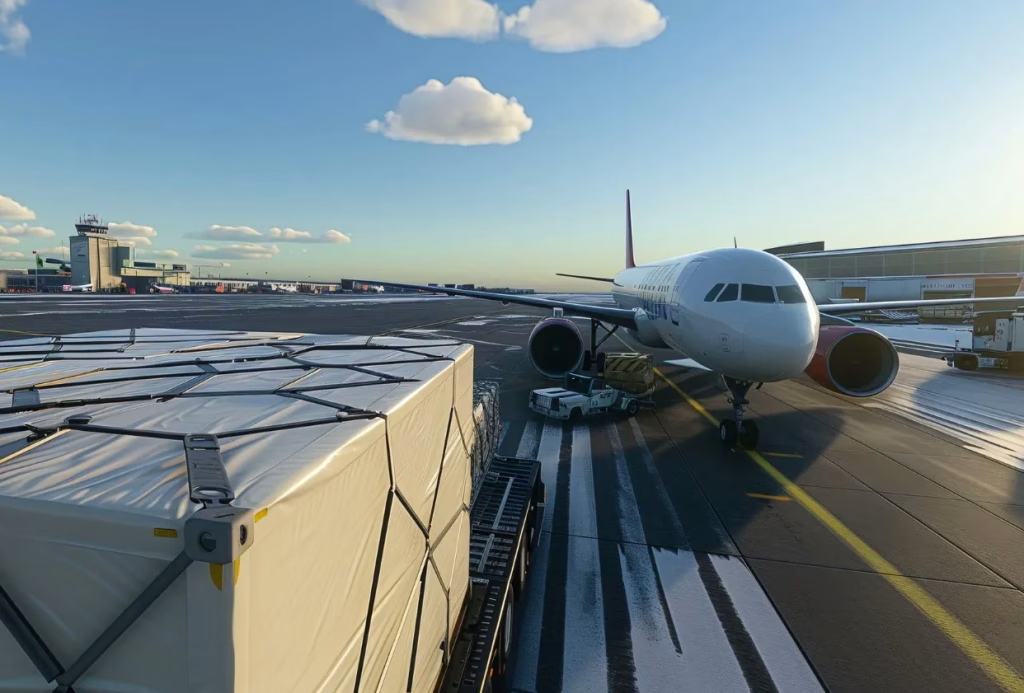
Another key strategy is optimizing ground operations. Delays often do not occur in the air but during loading, unloading, inspection, and clearance processes. Reducing waiting times requires resources such as warehouse automation, cargo management systems, and proper coordination between airlines, handling agents, and airport authorities.
Having well-trained staff and clear protocols also minimizes operational errors that can lead to delays. For this reason, one of the most practical and efficient solutions is partnering with an experienced freight forwarder specializing in integrated logistics, such as Startrans, with extensive expertise in managing air cargo shipments.
Efficient Documentation and Customs Management
Efficient documentation and customs management is also critical in minimizing delays. Missing paperwork, errors in cargo manifests, or regulatory non-compliance can lead to prolonged cargo holds. Digitalizing documents, using electronic data exchange platforms, and verifying regulatory compliance in both origin and destination countries streamline customs processes and significantly reduce the risk of unexpected blockages.
Route and Airport Diversification
Diversifying routes and airports is another effective strategy. Relying on a single hub or itinerary increases vulnerability in cases of traffic congestion, adverse weather conditions, or operational disruptions. To enhance flexibility and respond quickly to unforeseen events, companies should design alternative routes, use less congested secondary airports, and establish agreements with multiple airlines.
Risk Management and Real-Time Communication
Finally, effective risk management and real-time communication play a decisive role. Various cargo tracking technologies—such as GPS systems and IoT sensors—can detect deviations and enable immediate corrective actions. Moreover, fluid and transparent communication among all stakeholders in the logistics chain facilitates incident resolution and reduces the overall impact of potential delays.
If you would like to explore the different options available for managing your air freight shipments, contact Startrans and discover how expert logistics support can help ensure reliable and timely deliveries.