


What is the importance of technology in freight transport? With a global supply chain that is increasingly complex and subject to geopolitical instability, the answer is clear: the importance of technology in freight transport is absolute. It is an essential tool that has profoundly transformed the way companies plan, execute, and control their logistics operations, providing efficiency, safety, and sustainability to supply chains, as well as the flexibility needed to respond to unforeseen changes.
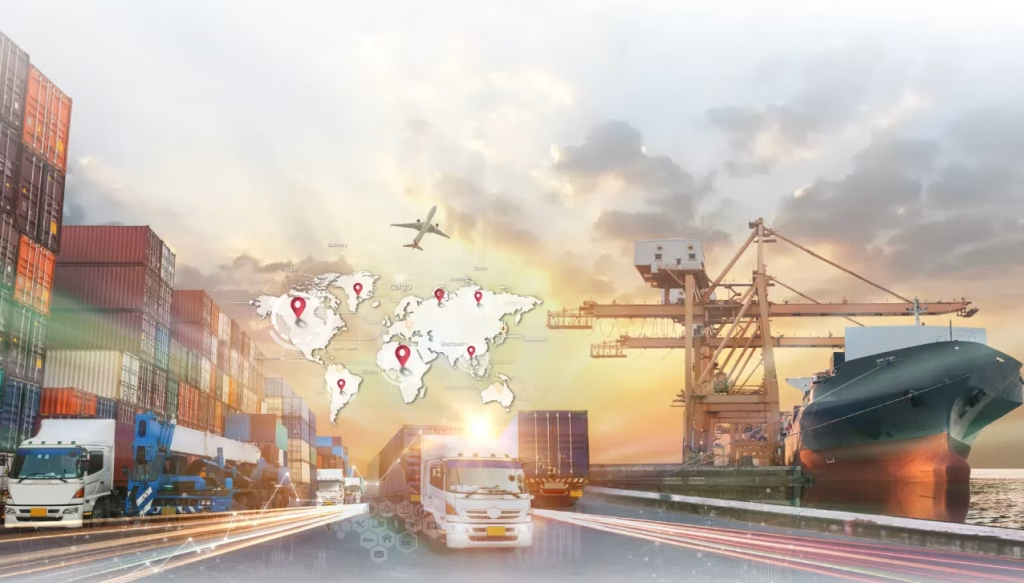
Main Technological Tools in Freight Transport
The importance of technology in freight transport is undeniable—but what specific tools are we talking about? Let’s review those that are most widely implemented and that, once integrated, would make it almost impossible to imagine operations without them.
Digitization of Logistics Management
One of the most significant advances in technological implementation has been the digitization of logistics management. Transportation Management Systems (TMS) and real-time tracking platforms make it possible to monitor shipments, optimize routes, and anticipate potential delays. In this way, companies achieve greater operational efficiency and increase transparency with customers, who have precise and up-to-date information about their orders.
Automation and Artificial Intelligence
When discussing the importance of technology in freight transport, automation and artificial intelligence (AI) occupy a place of privilege, as they are redefining decision-making. AI algorithms analyze large volumes of data to forecast demand, manage inventories, and reduce operating costs. For example, predictive systems help companies plan more efficient routes to avoid traffic congestion or adverse weather conditions. This also contributes to the environmental sustainability of operations by saving fuel and reducing pollutant emissions.
Telematics and the Internet of Things (IoT)
Network-connected sensors installed in vehicles and cargo containers collect all kinds of data on temperature, humidity, fuel consumption, or engine condition, among other aspects. This information is crucial in the transport of perishable or sensitive goods—such as food or medicines—that must always travel under optimal conditions to ensure quality. In addition, continuous monitoring helps improve safety in freight transport.
Technology in Freight Transport for Sustainability
The importance of technology in freight transport should also be measured by its contribution to environmental sustainability. The adoption of electric vehicles, biofuels, and smart energy management systems is helping reduce the logistics sector’s carbon footprint. Likewise, the use of digital simulations and life cycle analysis tools enables the design of cleaner and more efficient operations from an environmental standpoint.
Blockchain Technology
Although still less widespread, the integration of emerging technologies such as blockchain is improving traceability and trust in logistics operations. Its ability to record transactions securely and transparently facilitates the verification of product authenticity, regulatory compliance, and document management.
There is no doubt about the growing importance of technology in freight transport due to the operational benefits it provides. However, each of these tools requires professional knowledge to take full advantage of their capabilities effectively. At Startrans, we are at the forefront of innovation in freight transport. Contact us.