


The role of intermediaries in global logistics is indispensable, given the complexity of today’s supply chains. The machinery behind international trade routes consists of countless moving parts that require coordination, technical expertise, and constant adaptability.
In this environment, logistics intermediaries—including freight forwarders such as Startrans—play a key role in ensuring that goods reach their destination efficiently, safely, and cost-effectively.
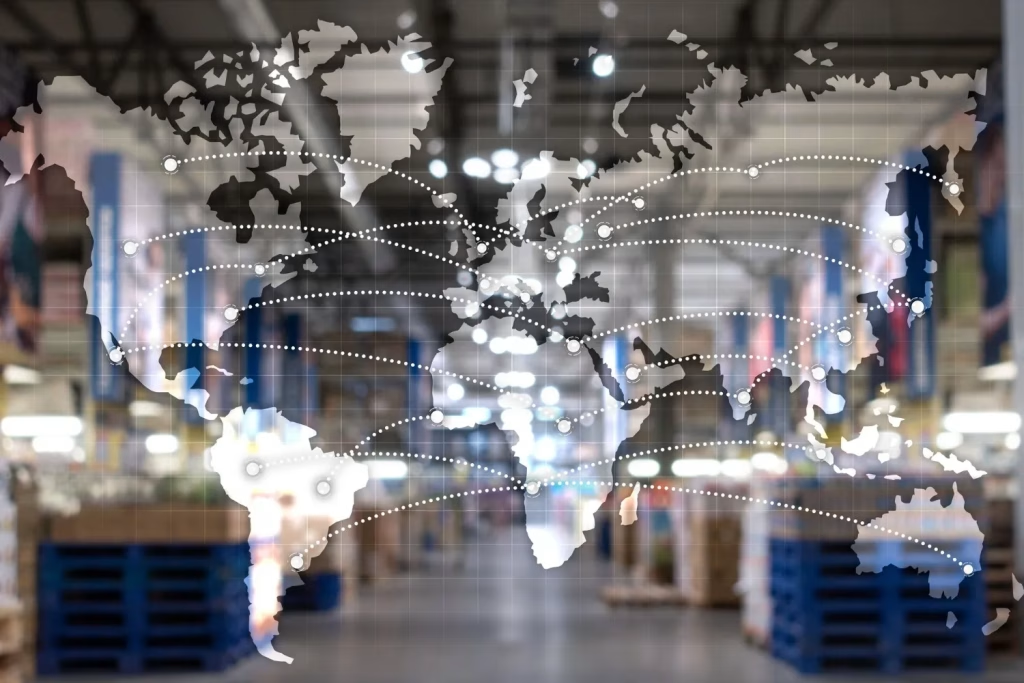
What Is the Role of Intermediaries in Global Logistics?
Above all, intermediaries in international logistics services act as the link between manufacturers, exporters, importers, carriers, and customs authorities. Among them, freight forwarders stand out as specialized operators responsible for planning and managing the international transportation of goods. Beyond arranging the most suitable transportation methods for each shipment—based on cargo type, destination, and urgency—they provide a comprehensive overview of the entire logistics chain.
Supply Chain Coordination and Optimization
One of their greatest strengths is the ability to effectively coordinate multiple stakeholders and processes. As mentioned, the role of intermediaries in global logistics includes selecting the most appropriate mode of transport, but also consolidating shipments and optimizing routes to save time and costs without compromising service quality. Thanks to their experience and global network of contacts, they can offer logistics solutions tailored to each client’s specific needs.
In an environment shaped by volatility—often driven by unpredictable factors such as port congestion, rate fluctuations, and geopolitical conflicts—intermediaries provide flexibility and rapid response capabilities, proposing alternative solutions when unexpected disruptions arise.
Documentation Management and Regulatory Compliance
Another key aspect of the role of intermediaries in global logistics is documentation management. International trade involves a significant administrative burden and strict regulatory compliance requirements. Logistics intermediaries are experts in customs documentation, insurance policies, certificates of origin, and international regulations. These mandatory procedures must be handled correctly to avoid errors, delays, or penalties, while also reducing customs-related costs in international transportation. This expertise is especially valuable for companies without specialized logistics departments or those operating across multiple markets.
Risk Assessment and Mitigation
Beyond day-to-day operations, intermediaries also play a critical role in risk management. They assess potential disruptions, secure appropriate insurance coverage, and advise clients on logistics best practices. In short, they not only provide an essential operational service at the highest professional standards, but also become strategic partners, offering valuable insights into market trends, emerging trade routes, and regulatory changes.
The Continuous Evolution of Intermediaries in Global Logistics
Supply chain management is inherently complex—not only because of the number of elements involved, but also because it operates in a constantly evolving environment. Digitalization and sustainability are becoming increasingly influential, and intermediaries must adapt accordingly. To perform their role effectively, freight forwarders are incorporating technologies such as traceability platforms, data analytics, and digital tools that enhance supply chain visibility and efficiency. At the same time, they are embracing the need for more sustainable solutions that optimize cargo loads and reduce the carbon footprint of transportation.
At Startrans, we are committed to our clients and to contributing positively to society. That is why we hold ODS certification, which recognizes compliance with the United Nations Sustainable Development Goals. Contact Startrans to learn how we can support your logistics needs.